Our Services: Harm reduction services
Sexual & Reproductive Health
Mental health and psychosocial support services
preventive healthcare using the human rights approach to its interventions
Our Service

Our Services

Harm Reduction

We provision of Harm Reduction services, Access to Justice, and Mental Health Psychosocial Support Service for victims of GBV.

Read More

SRH Service

We increase access to SRH services for WWUIDs, through the provision of comprehensive HIV/AIDS Counselling...

Read More

HTS Service

We ensure WIDs, their sexual partners and children are referred for services, by promoting a healthy and enabling environment to aid reduce new HIV incidence through advocacy.

Read More

Capacity Building

To create a platform for capacity building, Trainings and workshops that will empower WIDs for Economic Growth and productivity

Read More
Our Blog

Our Blog


Last week, Milestone Initiative for Human Rights and Empowerment (MIHRE), with support from Heartland Alliance, joined the global community in commemorating World Tuberculosis Day, reaffirming our commitment to ending Tuberculosis (TB), a preventable and curable disease that still affects millions of people worldwide.
The 2026 World fTB Day theme: “Yes! We Can End TB – Led by countries, powered by people” remains a powerful call to action. It reminds us that ending TB is possible when governments, communities, and civil society work together to ensure that prevention, diagnosis, and treatment reach everyone who needs them.
However, to truly end TB, we must address the hidden drivers of vulnerability, including the impact of psychoactive drug use. People who use psychoactive drugs often face increased risk of TB due to weakened immunity, unstable living conditions, stigma, and limited access to healthcare services. These barriers can lead to delayed diagnosis, treatment interruption, and continued transmission within communities.
At MIHRE, we believe that ending TB requires inclusive, rights-based, and community-driven responses that reach those most often left behind.
Our commitment includes:  Promoting awareness on the link between TB, substance use, and social vulnerability.
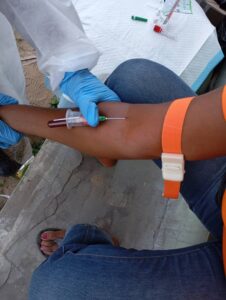
Supporting harm reduction, TB screening, and treatment access for people who use drugs.
Advocating for stigma-free and equitable healthcare services for vulnerable and underserved communities
Even beyond World TB Day, we continue to call on stakeholders, policymakers, and communities to:

Integrate TB services with harm reduction and community health programs
Strengthen early testing and treatment access for people at higher risk
End stigma and discrimination that prevent people from seeking care
Invest in community-led solutions that protect the most vulnerable
Yes! We can end TB, but only when no community is left behind.
#WorldTBDay2026
#YesWeCanEndTB
#EndTB
#HarmReduction
#HealthEquity
#LeaveNoOneBehind
#MIHRE #PublicHealth #HumanRights #HealthForAll #StopTB #MilestoneInitiative #CommunityHealth #AwarenessMatters
#ViiVHealthcare
#HALG
#tbnetwork

World Tuberculosis Day

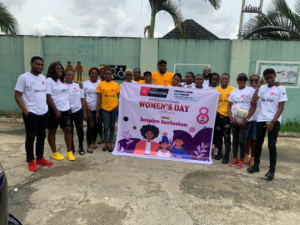
When we talk about empowering the female child, it goes far beyond a slogan. It is about breaking long-standing cycles of poverty, inequality, and silence. A girl who is educated, supported, and given the chance to thrive grows into a woman who speaks with confidence, leads with purpose, and uplifts her community.
The Power of Education
At Milestone Initiative, we believe every girl deserves the freedom to dream. However, millions of girls still face barriers to basic schooling. Research by organizations like [UNICEF] shows that each additional year of school can significantly increase a woman’s future earnings.
Our Commitment
We provide the protection and support systems necessary for their potential to become limitless. This doesn’t just benefit the individual; it transforms families, communities, and generations to come. You can view our current outreach programs on our [Projects Page].
Empower a girl today, and you empower the future.

#EmpowerGirls #GirlChildEducation #HumanRights #MilestoneInitiative #FutureLeaders #EqualityInEducation
#ViiV #HeartlandAlliance

Investing in her is investing in the future

LEN PrEP: One Injection. Extended Protection.

Imagine protecting yourself from HIV without the stress of taking a pill every single day. No more worrying about forgetting doses, hiding pill bottles, or feeling tied to a strict routine.

A new chapter in HIV prevention is here — one that prioritizes convenience, consistency, and personal control.

Lenacapavir, often called LEN PrEP, is a long‑acting injectable HIV prevention option designed to make staying protected simpler, more effective, and more accessible for people who need it most, including people who use or inject drugs, young people, women, and other vulnerable groups.

In this guide, you will learn everything you need to know about Lenacapavir PrEP: what it is, how it works, who it is for, how it compares to daily PrEP pills, possible side effects, and what this means for communities in Nigeria and beyond.


What Is Pre‑Exposure Prophylaxis (PrEP)?

Before diving into LEN PrEP, it helps to understand PrEP itself.

PrEP (pre‑exposure prophylaxis) is a HIV prevention strategy where people who are HIV‑negative take antiretroviral medicine to reduce their risk of getting HIV. When taken correctly:

  • PrEP can reduce the risk of getting HIV through sex by more than 90%.
  • It can also reduce the risk of getting HIV from injecting drug use when used consistently.

Until recently, PrEP has mainly been available as a daily oral pill, such as tenofovir/emtricitabine (TDF/FTC). While highly effective, daily pills are not ideal for everyone, especially people who face stigma, unstable housing, mental health challenges, or irregular schedules.

That is where long‑acting PrEP options like Lenacapavir come in.


What Is Lenacapavir (LEN PrEP)?

Lenacapavir is a long‑acting injectable form of pre‑exposure prophylaxis (PrEP) that offers extended protection against HIV with far less frequent dosing than daily pills.

Key features of Lenacapavir (LEN PrEP):

  • It is a long‑acting antiretroviral medicine given as an injection under the skin (subcutaneous injection).
  • It is designed to stay in the body for months, slowly releasing the medicine to provide ongoing protection.
  • Instead of taking PrEP every day, people receive injections at intervals (for example, every 6 months in current prevention studies).

The goal of Lenacapavir is simple: make HIV prevention easier to start, easier to maintain, and easier to fit into real life.


How Does Lenacapavir Work?

Lenacapavir is a capsid inhibitor. The HIV virus is surrounded by a protein shell called the capsid. This shell helps the virus:

  • Protect its genetic material,
  • Enter human cells,
  • Copy itself and spread.

Lenacapavir binds to the HIV capsid and interferes with several stages of the virus lifecycle. This can:

  • Block HIV from entering human cells.
  • Disrupt the process the virus uses to make more copies of itself.
  • Prevent the virus from establishing infection in the body.

Because Lenacapavir stays in the body at protective levels for months, it can offer prolonged prevention after just a single injection, as long as doses are received on schedule.


Why Lenacapavir PrEP Matters

Lenacapavir is more than just another HIV drug — it represents a new type of prevention that can transform how people protect themselves, especially those who struggle with daily pills.

  1. Long‑Acting HIV Protection

With Lenacapavir, one injection provides extended protection against HIV. Depending on final guidelines and approvals:

  • Injections may be needed only a few times per year.
  • This reduces the burden of remembering daily medication.
  • It may be especially helpful for people with busy lives, unstable routines, or difficulties with adherence.

For many, this long‑acting protection means less stress and more confidence in staying HIV‑negative.

  1. Convenient and Simple

No daily pills. No daily reminders. No carrying medicines around.

Lenacapavir offers:

  • A simpler prevention routine.
  • A discreet option for people who fear stigma if others see their pills.
  • A clinic‑based injection that can be combined with other services (HIV testing, STI screening, harm reduction, contraception, etc.).

This convenience can make the difference between starting PrEP and never starting at all.

  1. Greater Control Over Your Health

Lenacapavir empowers individuals to take control of their sexual and reproductive health.

People can:

  • Choose a prevention method that matches their lifestyle.
  • Plan injection visits in advance.
  • Feel more in control, rather than feeling “tied” to a pill bottle.

For women, young people, and key populations facing stigma or partner violence, this discreet, long‑acting method can be particularly empowering.

  1. Improved Adherence and Effectiveness

PrEP only works when taken consistently. Daily pills require strong adherence, and missing doses can reduce protection.

With Lenacapavir:

  • Long‑acting injections reduce the chance of missed doses day‑to‑day.
  • People do not have to remember PrEP every morning or night.
  • Fewer missed doses can translate into better overall effectiveness in preventing HIV.

This is especially important for communities where daily adherence is affected by poverty, unstable housing, trauma, or drug use.


Who Can Benefit Most From Lenacapavir (LEN PrEP)?

Lenacapavir is being developed to serve people who are HIV‑negative but at substantial ongoing risk of HIV. This may include:

  • People who inject drugs or use non‑injecting drugs.
  • Women and girls in high‑prevalence communities.
  • Men who have sex with men (MSM).
  • Sex workers.
  • Transgender and non‑binary people.
  • Young people and adolescents with difficulties maintaining daily routines.
  • People whose partners are living with HIV, especially if the partner’s viral load is unknown or unsuppressed.

In Nigeria and similar contexts, these groups often face overlapping risks: HIV, stigma, criminalisation, and poor access to friendly health services. Long‑acting PrEP like Lenacapavir adds another tool that can better fit their realities.


How Is Lenacapavir Given?

The exact schedule may change as new data and guidelines emerge, but current prevention trials use a structure similar to this:

  • Initial phase: An oral lead‑in or first injection(s) to reach protective drug levels.
  • Maintenance phase: Repeat injections every several months (for example, every 6 months).

Important points:

  • Injections are given by a trained healthcare provider.
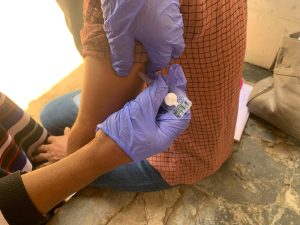
  • They are usually given under the skin of the abdomen or another approved site.
  • Clinic or community‑based services can integrate injections with counseling, HIV testing, STI services, and harm reduction.

Your provider will explain:

  • How often you need injections.
  • What follow‑up visits are required.
  • What to do if you miss an appointment.


How Does Lenacapavir Compare to Daily Oral PrEP?

Both Lenacapavir and daily oral PrEP aim to prevent HIV infection in people who are HIV‑negative. The best choice depends on preferences, access, and health needs.

Key differences:

  • Dosing schedule
    • Daily PrEP: Taken every day.
    • Lenacapavir: Given as an injection at long intervals (e.g., every 6 months, depending on guidelines).
  • Convenience
    • Daily PrEP: Requires daily commitment, pill supply, and privacy.
    • Lenacapavir: Requires clinic visits a few times a year but no daily pills.
  • Discreetness
    • Daily PrEP: May be noticed by partners, family, or peers, which can raise stigma concerns.
    • Lenacapavir: No pills at home; prevention is handled at health visits.
  • Adherence
    • Daily PrEP: High effectiveness when taken as prescribed but easy to miss doses.
    • Lenacapavir: Adherence focuses on remembering scheduled injection visits instead of daily pills.
  • Side effects
    • Daily PrEP: Generally mild (e.g., nausea, headache), sometimes kidney or bone effects in long‑term use.
    • Lenacapavir: Commonly local injection‑site reactions (pain, redness, swelling), plus any systemic side effects being studied.

For many people, having a choice between pills and injections will make PrEP more acceptable and sustainable in the long term.


Possible Side Effects and Safety of Lenacapavir

As with any medicine, Lenacapavir can have side effects. Safety is being closely monitored in clinical studies and regulatory reviews.

Commonly reported or expected side effects include:

  • Injection‑site reactions (pain, redness, swelling, itching).
  • Mild fever or fatigue after injection.
  • Headache or minor gastrointestinal discomfort in some people.

Most side effects are mild and temporary, but it is important to:

  • Report any severe or persistent symptoms to your healthcare provider.
  • Discuss your medical history before starting Lenacapavir, including liver or kidney issues, other medications, or pregnancy.

Because Lenacapavir remains in the body for months, decisions to start or stop should be made carefully with a knowledgeable provider, especially if there is a risk of HIV infection during the “tail” period when drug levels slowly decrease.


Lenacapavir, Harm Reduction, and Key Populations

For people who use or inject drugs, traditional HIV prevention messages have often focused only on behaviour change. However, effective harm reduction recognises that:

  • People deserve practical tools to reduce risk without judgment.
  • Structural barriers — criminalisation, stigma, poverty — affect how and whether people can use health services.

Lenacapavir can strengthen harm reduction by:

  • Providing long‑acting HIV protection for people who inject drugs, alongside needle and syringe programmes and opioid substitution therapy.
  • Reducing dependence on daily pills, which may be hard to store or take discreetly in unstable living conditions or detention settings.
  • Offering an empowering option for women who use drugs, who often face layered stigma and gender‑based violence.

Frequently Asked Questions About Lenacapavir (LEN PrEP)

Here are answers to some common questions people may have.

  • Is Lenacapavir a cure for HIV?
    No. Lenacapavir used as PrEP is for prevention in people who are HIV‑negative. It does not cure HIV. Different formulations may be used in HIV treatment regimens, but that is a separate use.
  • Do I still need condoms if I use Lenacapavir?
    Yes. Lenacapavir prevents HIV but does not protect against other sexually transmitted infections (STIs) or pregnancy. Condoms and other prevention methods may still be recommended.
  • Can I stop using Lenacapavir anytime?
    You can choose to stop, but you should always do so in consultation with a healthcare provider. Because the drug stays in your body for months, you may need additional prevention measures during the low‑drug “tail” period to avoid resistance if HIV exposure occurs.
  • Will Lenacapavir interact with other medicines or substances?
    Your provider will check for drug interactions with other medicines, including TB drugs, anticonvulsants, or hormonal contraception. Substance use itself doesn’t necessarily prevent you from using Lenacapavir, but it may affect your ability to attend appointments, which should be planned for.
  • Is Lenacapavir safe during pregnancy or breastfeeding?
    Data are still emerging. If you are pregnant, planning pregnancy, or breastfeeding, discuss risks and benefits with your provider to choose the safest prevention option.

What You Can Do Next

If you are interested in Lenacapavir or other PrEP options:

  • Talk to a trusted healthcare provider or community clinic about your HIV risk and prevention options.
  • Ask whether PrEP is available, and stay informed about long‑acting PrEP introduction in your area.
  • Connect with community organisations like Milestone Initiative for Human Rights and Empowerment to access friendly, stigma‑free information and support.

One injection. Extended protection. Greater control.
Lenacapavir PrEP is opening a new era in HIV prevention, and everyone deserves a chance to be part of it.

#HIVPrevention
#PrEP
#Lenacapavir
#LongActingPrEP
#EndHIV
#HealthForAll
#MilestoneInitiative

LEN PrEP: One Injection. Extended Protection.